Pope Saint Zephyrinus
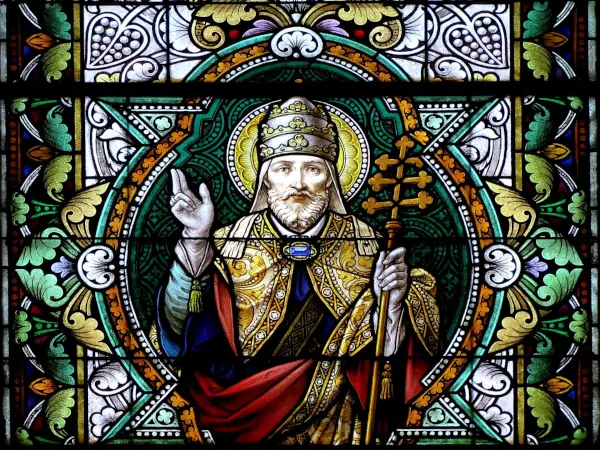
In the annals of Church history, few pontiffs faced greater challenges to orthodox Christian doctrine than Pope Saint Zephyrinus, who served as the Bishop of Rome from approximately 199 to 217 AD. His nearly two-decade pontificate occurred during one of the most turbulent periods in early Christianity, when dangerous heresies threatened to fracture the unity of the faith and Roman persecution cast a shadow over Christian communities throughout the empire. Yet through divine providence and steadfast leadership, Saint Zephyrinus emerged as a beacon of orthodoxy, earning his place among the venerated saints of the Catholic Church.
A Pontiff for Perilous TimesSaint Zephyrinus assumed the papal throne during the reign of Emperor Septimius Severus, a period marked by sporadic but intense persecution of Christians. The Church was still establishing its theological foundations, and various heretical movements sought to corrupt the pure Gospel message that had been handed down from the apostles. It was in this context that Zephyrinus demonstrated the qualities that would define his sainthood: unwavering fidelity to apostolic tradition, pastoral wisdom, and an unshakeable commitment to preserving the unity of the Church.
The new pope inherited a Church grappling with complex theological questions about the nature of Christ and the Trinity. These were not merely academic debates but fundamental questions that struck at the heart of Christian belief. The faithful looked to Rome for guidance, and in Zephyrinus, they found a shepherd willing to defend orthodox teaching with both courage and prudence.
Guardian Against Heretical TeachingsPerhaps no challenge during Saint Zephyrinus's pontificate proved more significant than his confrontation with various forms of heresy that threatened to lead the faithful astray. The Montanist movement, with its claims of new prophetic revelations, challenged the authority of the established Church hierarchy and the finality of apostolic revelation. More dangerous still were the Modalist heresies, particularly those propagated by Sabellius and his followers, which denied the distinct persons of the Trinity by claiming that the Father, Son, and Holy Spirit were merely different "modes" of the same divine person.
Saint Zephyrinus approached these theological crises with the wisdom of Solomon and the firmness of Peter. He understood that while charity must govern all Christian relationships, there could be no compromise on fundamental truths of the faith. His response to these heresies demonstrated the delicate balance required of papal leadership: he was pastoral enough to seek the conversion of those in error, yet resolute enough to protect the deposit of faith from corruption.
The pope's handling of the Montanist crisis exemplified his pastoral approach. Rather than immediately condemning the movement, he carefully examined their claims against the standard of apostolic tradition. When it became clear that Montanism represented a departure from orthodox teaching and threatened Church unity, Zephyrinus acted decisively to protect the faithful from error while still showing mercy to those willing to return to the fold.
Defender of Trinitarian OrthodoxySaint Zephyrinus's greatest theological contribution lay in his defense of Trinitarian doctrine against Modalist heresies. The Modalists, in their attempt to preserve monotheism, had fallen into the error of denying the real distinction between the divine persons. This posed a direct threat to the Christian understanding of the Incarnation and salvation itself.
Working closely with his scholarly deacon and future successor, Saint Hippolytus, Pope Zephyrinus carefully articulated the Church's position on these crucial matters. While some historical sources suggest tension between the two saints, it's important to recognize that their relationship, though sometimes strained, ultimately served the cause of orthodoxy. Hippolytus's theological precision complemented Zephyrinus's pastoral wisdom, creating a powerful defense against heretical innovation.
The pope's approach to combating Modalism revealed his deep understanding of the pastoral implications of doctrine. He recognized that theological errors were not merely intellectual mistakes but spiritual dangers that could rob the faithful of the fullness of salvation. By maintaining the distinct reality of the Father, Son, and Holy Spirit while affirming their perfect unity, Saint Zephyrinus preserved the foundation upon which the entire Christian mystery rests.
Administrative Wisdom and Pastoral CareBeyond his theological contributions, Saint Zephyrinus demonstrated remarkable administrative acumen in governing the growing Christian community in Rome. As the Church expanded beyond its Jewish origins to embrace converts from throughout the Roman Empire, new challenges arose in maintaining unity and order. The pope's pastoral letters and disciplinary decisions during this period show a leader deeply concerned with the practical needs of his flock.
Saint Zephyrinus was particularly attentive to the proper formation of clergy, recognizing that the Church's future depended on having well-trained and spiritually mature priests and deacons. His emphasis on clerical education and discipline helped establish standards that would serve the Church well in subsequent centuries. He also showed special care for the Christian community's material needs, organizing relief efforts for the poor and ensuring that persecuted Christians received support during times of imperial hostility.
The pope's approach to Church discipline reflected his understanding of the Gospel's demands for both justice and mercy. He maintained high standards for Christian conduct while showing compassion for those who stumbled. This balance between firmness and gentleness became a hallmark of his pontificate and contributed to the respect he commanded even among his critics.
Legacy of FaithfulnessSaint Zephyrinus died around 217 AD, having served the Church faithfully for nearly eighteen years. His death marked the end of an era, but his influence on Catholic doctrine and practice would endure for centuries. The theological positions he defended became integral parts of orthodox Christian teaching, while his pastoral methods provided a model for future popes facing similar challenges.
The Church's recognition of Zephyrinus as a saint reflects not only his personal holiness but also his crucial role in preserving Catholic unity during a critical period. His feast day, celebrated on August 26th, offers Catholics an opportunity to reflect on the courage required to defend truth in the face of opposition and the wisdom needed to pastor God's people through times of confusion and trial.
A Saint for Our TimesToday's Catholics can find much to admire and emulate in Pope Saint Zephyrinus. His unwavering commitment to apostolic tradition speaks to contemporary believers facing their own challenges from secular ideologies and religious confusion. His pastoral sensitivity reminds us that defending truth must always be done with love and concern for souls. Most importantly, his trust in divine providence encourages modern Catholics to face their own trials with confidence in God's ultimate victory.
Saint Zephyrinus stands as a testament to the truth that sanctity often emerges not from extraordinary circumstances but from faithful service in ordinary times. His example reminds us that the Church's greatest treasures are often found not in spectacular miracles but in the quiet heroism of those who simply remain faithful to their calling, whatever the cost.
Please or Login to leave Comments